Stain Removal in Everyday Life: Practical Methods for Cleaner Fabrics, Surfaces, and Upholstery
Stain removal is one of those household skills that saves time, money, and frustration. Whether you are dealing with a fresh coffee spill, a stubborn grease mark, a pet accident, or a mystery stain on clothing, the right stain removal approach can make a huge difference. Many people assume stains are permanent, but in reality, effective stain removal often comes down to acting quickly, choosing the correct method, and understanding the material you are cleaning.
In homes, offices, restaurants, and commercial spaces, stain removal is not just about appearance. It also affects hygiene, fabric longevity, and the overall impression a space creates. Clean carpets, spotless upholstery, and fresh-looking clothes signal care and professionalism. That is why learning the basics of stain removal is useful for nearly everyone.
In this article, we will explore common stain types, practical stain removal methods, and smart ways to treat surfaces without causing damage. You will also learn when DIY methods work best and when it may be time to bring in professional help. If you have been looking for stain removal tips that are easy to follow and effective in real life, you are in the right place.
Why Stain Removal Matters
Stain removal is more than a cosmetic task. It helps preserve the quality of fabrics, furniture, and flooring. The longer a stain sits, the more likely it is to bond with the material, making stain removal harder and sometimes impossible. This is especially true for porous materials like carpet, grout, untreated wood, and upholstery.
Fast stain removal can also prevent odors and bacteria from developing. Food, drink, sweat, ink, pet waste, and oil stains can all create lingering smells if they are not treated properly. Regular and effective stain removal keeps your environment healthier and more pleasant.
Another important reason stain removal matters is cost savings. Replacing a carpet, chair, or expensive shirt because of a stubborn stain is rarely ideal. With the right stain removal routine, you can extend the life of your belongings and avoid unnecessary replacements.
Understanding the Basics of Stain Removal
The first rule of stain removal is simple: act quickly. Fresh stains are much easier to remove than old ones. Blotting a spill immediately often prevents it from settling deeper into fibers. However, rubbing a stain can spread it or push it further into the material, so blotting is almost always better than scrubbing.
Another key part of stain removal is identifying the stain type. Water-based stains, oil-based stains, protein-based stains, and dye stains all respond differently to cleaning solutions. For example, coffee or juice may respond well to mild detergent and water, while grease usually requires a degreasing agent.
Before trying any stain removal method, always test the cleaner on a small hidden area. This helps prevent discoloration, fading, or damage. Different fabrics and surfaces react differently, so a solution that works on cotton may not be safe for silk, wool, or leather.
Common Types of Stains and How to Treat Them
Effective stain removal depends on understanding what you are dealing with. Here are some of the most common stain categories and how they are usually handled:
- Food stains: Sauces, ketchup, chocolate, and curry often contain oils and pigments that need a careful stain removal method.
- Beverage stains: Coffee, tea, wine, soda, and juice can leave strong color marks if not treated quickly.
- Grease and oil stains: These require products that break down oil, not just water.
- Protein stains: Blood, sweat, dairy, and egg should be treated with cool water first to avoid setting the stain.
- Ink and dye stains: Pen ink, markers, and fabric dye can spread quickly and often need specialized stain removal care.
Understanding the stain category helps you choose the right stain removal method and avoid making the situation worse. For example, hot water may be helpful for some stains, but it can permanently set protein stains. The wrong reaction at the start can turn a minor spill into a long-term mark.
For this reason, stain removal should always begin with careful observation. Ask yourself: what caused the stain, how old is it, and what material is affected? These questions guide the safest and most effective solution.
Stain Removal on Clothing
Clothing is one of the most common places where stain removal is needed. Shirts, pants, uniforms, and delicate garments all face daily exposure to spills, sweat, makeup, ink, and food. The good news is that many clothing stains can be managed at home if you follow the right stain removal steps.
Start by removing any excess material from the fabric surface. If the stain is liquid, blot it with a clean cloth or paper towel. Then apply a suitable treatment based on the stain type. Mild liquid detergent, baking soda paste, white vinegar, or oxygen-based cleaners are common stain removal options for washable fabrics.
Always read the care label before proceeding. Some garments require cold wash only, while others cannot tolerate bleach or strong chemicals. Proper stain removal respects the fabric as much as it targets the stain. Delicate fabrics such as silk, wool, and linen may need gentler techniques or professional cleaning.
Helpful Clothing Stain Removal Tips
When dealing with clothing, these stain removal practices are especially useful:
- Blot, do not rub.
- Use cold water for blood, egg, and sweat stains.
- Treat oil stains with absorbent powder before washing.
- Pre-treat stains before putting clothing in the dryer.
- Check the stain after washing; repeat stain removal if needed.
Stain Removal on Carpets and Rugs
Carpets and rugs are highly absorbent, which makes stain removal especially important. A spill that seems small on the surface can spread into the fibers and backing, creating a larger stain and even an odor problem. The sooner you act, the better your stain removal results will be.
For many carpet stains, start by blotting up as much of the spill as possible. Then use a mild cleaning solution made with water and a small amount of dish soap or carpet-safe cleaner. Apply the solution lightly and continue blotting until the stain lifts. Avoid soaking the area, because too much moisture can damage the carpet backing or create mold issues.
If the stain is stubborn, try a second treatment after the area dries. In some cases, professional stain removal is the safest option, especially for large spills, pet stains, or deep discoloration. Carpet fibers can be damaged by repeated aggressive scrubbing, so patience is essential.
Best Practices for Carpet Stain Removal
- Use a white cloth to avoid color transfer.
- Work from the outside of the stain toward the center.
- Do not oversaturate the carpet.
- Use fans or ventilation to speed drying.
- Repeat stain removal carefully rather than using harsh force.
Stain Removal on Upholstery and Furniture
Upholstery stain removal can be tricky because furniture fabrics vary widely. Some pieces are made with synthetic fibers that are fairly easy to clean, while others use natural or delicate textiles that require more caution. Before any stain removal attempt, check the manufacturer’s cleaning label if available.
For common upholstery stains, blot the spill first and use a minimal amount of cleaner. It is important to avoid soaking the cushion or fabric, since moisture can spread the stain further into the padding. A gentle upholstery cleaner, diluted dish soap, or fabric-safe stain remover can often handle everyday messes.
When treating upholstered furniture, consistency matters. A careful stain removal process is better than a rushed one. If you notice the stain resurfacing after drying, repeat the treatment lightly. This happens because some spills move upward as the fabric dries, a process often called wicking.
What to Avoid on Upholstery
- Do not use too much water.
- Avoid aggressive scrubbing.
- Do not mix cleaning chemicals.
- Do not use bleach unless the fabric label clearly allows it.
- Do not ignore odors, as they may indicate deeper contamination.
Stain Removal on Hard Surfaces
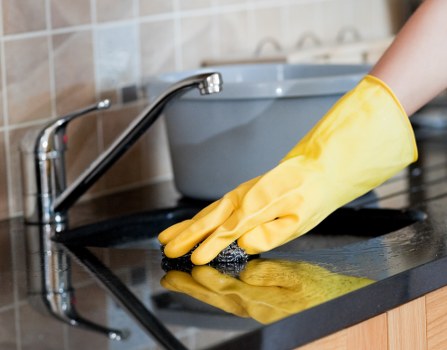
Stain removal is not limited to fabric. Hard surfaces such as countertops, tile, sinks, and tables also collect marks from food, wine, soap scum, rust, and water. Although these stains are often easier to remove than fabric stains, they still require the correct method.
For hard surfaces, start with warm water and mild soap. If the stain remains, use a surface-appropriate cleaner. On tile and grout, a baking soda paste or specialized grout cleaner can help lift discoloration. On countertops, always confirm that the cleaner is safe for the surface material, especially if you are dealing with stone such as marble or granite.
Careful stain removal protects both cleanliness and finish. Abrasive pads or harsh chemicals may scratch, dull, or etch a surface even if they remove the stain. That is why gentle but targeted cleaning is often the best approach.
Surface-Specific Considerations
Different hard surfaces respond differently to stain removal. For example:
- Glass: Usually needs streak-free cleaning, not heavy scrubbing.
- Wood: Requires moisture control and may need polish after cleaning.
- Stone: Needs pH-safe cleaners to prevent damage.
- Tile and grout: Often benefit from longer dwell time with a safe cleaner.
Natural and DIY Stain Removal Options
Many homeowners prefer natural stain removal methods because they are affordable and convenient. Some of the most common household ingredients include baking soda, white vinegar, lemon juice, and mild dish soap. These products can be effective for light to moderate stains, especially when used correctly.
Baking soda is useful as an absorbent and deodorizer, particularly for grease and odor-related stains. White vinegar can help with mineral buildup, deodorizing, and some fabric stains. Lemon juice may assist with certain discolorations, though it should be used cautiously because it can affect colors and delicate materials. A simple stain removal paste can sometimes be made from baking soda and water for spot treatment.
However, DIY stain removal is not always the answer. Natural ingredients are not universally safe, and mixing household cleaners can be dangerous. Never combine vinegar with bleach, and avoid using acids on sensitive stone surfaces. The best stain removal strategy is always one that balances effectiveness with safety.
Common DIY Stain Removal Ingredients
- Baking soda for absorption and deodorizing
- White vinegar for mild stain loosening
- Mild dish soap for grease and general spills
- Hydrogen peroxide for some light-colored fabric stains
- Salt for fresh liquid spill absorption
Professional Stain Removal: When to Call in Experts
Sometimes, the best stain removal option is professional service. This is often the case when the stain is large, old, or located on a delicate or valuable material. Professional cleaners have access to stronger products, advanced equipment, and the experience needed to treat difficult stains without causing additional damage.
Professional stain removal is especially useful for carpets, area rugs, upholstered furniture, and specialty garments. It may also be the right choice when a stain produces a strong odor, keeps returning, or involves substances like wine, ink, pet waste, or makeup. In many cases, professional treatment can restore items that DIY methods could not fully clean.
Choosing professional stain removal can also save time. Instead of repeating several home treatments with uncertain results, one expert service may solve the problem more efficiently. If the item is important or expensive, book your service now and avoid the risk of making the stain worse.
Smart Stain Removal Habits for Long-Term Success
Good stain removal is not only about reacting to accidents. It is also about building habits that reduce the impact of future spills. Keeping a stain treatment kit at home can make a big difference. A basic kit may include clean cloths, a soft brush, stain remover, baking soda, paper towels, and gloves.
Another smart habit is to read product instructions carefully. Whether you are using a commercial stain remover or a homemade solution, understanding dilution, dwell time, and safe application methods improves results. Many stain removal mistakes happen because people rush or use too much product.
Routine cleaning also helps. When fabrics, carpets, and furniture are cleaned regularly, stains have less chance to settle in deeply. This makes stain removal easier and keeps your home or workspace looking fresh. Prevention and quick action work hand in hand.
Simple Prevention Tips
- Use coasters, placemats, and tablecloths where possible.
- Treat fresh spills immediately.
- Keep a stain remover nearby in kitchens and laundry areas.
- Clean high-traffic areas regularly.
- Protect upholstery and carpet with suitable fabric treatments if appropriate.
Common Mistakes to Avoid in Stain Removal
Even well-intentioned stain removal efforts can go wrong if common mistakes are made. One of the biggest errors is using the wrong temperature of water. Hot water can help with some stains, but it can also set protein-based stains permanently. Another common mistake is rubbing too hard, which damages fibers and spreads the stain.
Using too much cleaner is also problematic. More product does not always mean better stain removal. In fact, excess cleaner can leave residue that attracts dirt later. Similarly, mixing multiple products can create unsafe chemical reactions or make cleanup more difficult.
Finally, many people forget to dry-check the stain. Some stains look gone when wet but become visible again after drying. Proper stain removal means inspecting the area after it is fully dry and repeating treatment if necessary. Patience often leads to better results than force.
Stain Removal and SEO-Friendly Takeaways for Readers
If you are searching for stain removal solutions, the main idea is simple: match the method to the stain and the surface. A quick response, the right cleaner, and careful technique can remove many stains successfully at home. For stubborn or delicate cases, professional stain removal is often the safest and most effective option.
Stain removal also becomes easier when you understand the categories of stains, test products before use, and avoid harsh mistakes. Whether you are working on clothes, carpet, upholstery, or hard surfaces, the right approach can preserve appearance and extend the life of your belongings. That is why stain removal remains such an important part of home and facility care.
To keep your space looking its best, make stain removal part of your regular maintenance routine. Stay prepared, act quickly, and choose safe methods that fit the material. If a stain is too difficult to handle alone, contact us today and take the next step toward a cleaner, fresher environment.
Final Thoughts
Stain removal is a practical skill that pays off in many everyday situations. From coffee on a shirt to grease on upholstery, knowing how to respond correctly can save time, protect your belongings, and reduce stress. The best stain removal approach is always thoughtful, material-specific, and prompt.
With the strategies in this article, you can handle many common cleaning challenges with confidence. Use the right stain removal method, avoid damaging mistakes, and remember that professional help is available when a stain is too stubborn or valuable to risk. Clean surfaces and fabrics start with smart action, and smart action starts with knowledge.