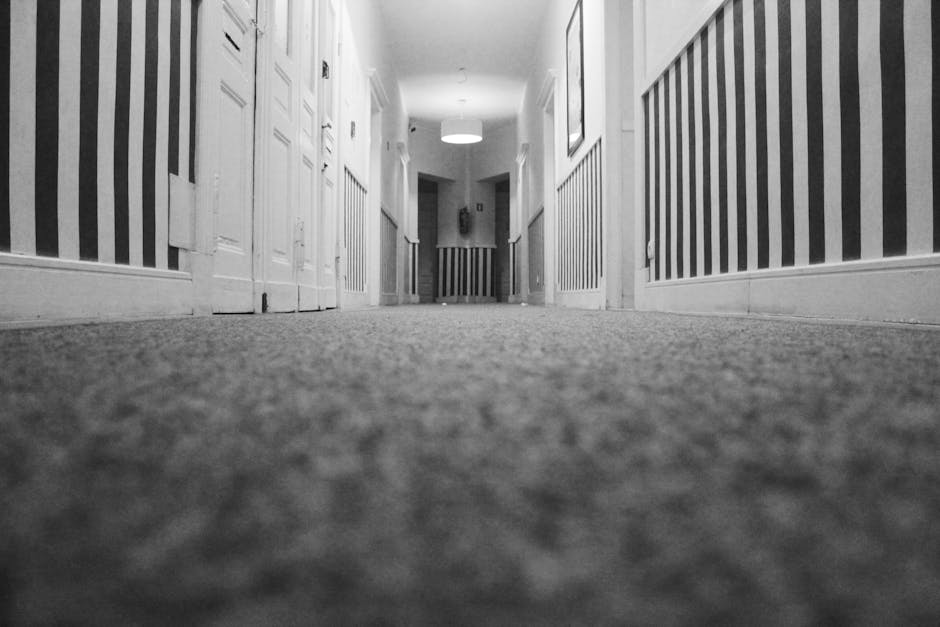
Carpet cleaning near Crystal Palace Station SE19

If you live, work, or run a busy property near Crystal Palace Station SE19, carpet cleaning can move from "nice to have" to "absolutely needed" pretty quickly. Footfall from commuters, muddy shoes after a wet London morning, pet traffic, coffee spills, and the everyday grind of urban life all leave a mark. And to be fair, carpets usually do a good job of hiding it until one day the room just looks tired.
This guide explains what carpet cleaning near Crystal Palace Station SE19 involves, how the process works, what results to expect, and how to choose the right approach for homes, rentals, and businesses. It also covers practical risks, maintenance tips, compliance basics, and the small details people often miss until the job is already booked.
Whether you are dealing with a single stained room, a full flat refresh, or a commercial space that needs looking presentable again, the aim here is simple: help you make a better decision with less guesswork.
Expert summary: The best carpet cleaning is not just about removing visible dirt. It is about fibre-safe methods, correct drying, sensible stain treatment, and honest expectations. If you choose the right process for the carpet type, you usually get better appearance, better hygiene, and fewer headaches later.
Why Carpet cleaning near Crystal Palace Station SE19 Matters
Crystal Palace Station sits in a part of London where movement is constant. People come and go, weather changes quickly, and surfaces take the strain. Carpets in these settings often collect more than dust. Fine grit, road dirt, pollen, drink spills, food crumbs, pet dander, and general grime all work their way into the pile.
That matters for three reasons. First, appearance. A carpet can look patchy or dull long before it is actually "worn out." Second, comfort. If a room feels stale or smells musty, the carpet is sometimes part of the problem. Third, longevity. Dirt particles act a bit like sandpaper over time, so leaving them in the fibres can shorten the life of the carpet. Not ideal if you have paid for decent flooring.
In a home near the station, this often shows up in hallways, living rooms, stairs, and rental properties with high turnover. In commercial premises, reception areas, waiting rooms, and shared corridors usually suffer first. That is where a proper clean is less about luxury and more about keeping the place usable and presentable.
If you are comparing local options, it helps to think beyond "cheap and quick." Look at the type of service offered, the care taken with different carpet materials, and whether the provider has a clear process. A solid starting point is the specialist carpet cleaning service, especially if you want the job handled with the right equipment and methods.
Useful takeaway: In a busy SE19 setting, carpet cleaning is usually about three things at once: appearance, hygiene, and protecting the carpet itself. Miss one, and the results feel incomplete.
How Carpet cleaning near Crystal Palace Station SE19 Works
Most professional carpet cleaning jobs follow a sensible sequence, even if the exact technique varies. The cleaner inspects the carpet first, identifies any stains or worn areas, and checks the fibre type where possible. Wool, synthetic blends, and delicate rugs all behave differently. That sounds obvious, but it is where many poor results begin.
After inspection comes preparation. This usually means vacuuming thoroughly and focusing on loose grit in the pile. Some services also pre-treat visible stains or traffic lanes. Pre-treatment matters because it helps break down oils, food residue, and grime before the main clean. Skipping this step is like washing a greasy plate without rinsing it first. You can do it, but why make life harder?
The main cleaning stage depends on the method. Steam carpet cleaning, often called hot water extraction, uses heated water and cleaning solution applied under pressure, then extracted along with loosened soil. Other methods may rely on encapsulation, low-moisture systems, or targeted stain treatment. The right choice depends on the carpet, drying expectations, and how heavily soiled the area is.
After cleaning, a good technician checks for remaining marks, may groom the pile, and advises on drying time. Drying is not a small detail. If the carpet stays damp too long, you can get odour issues, wicking from underlay, or a general "just cleaned but not quite right" feeling. That is the sort of thing people remember.
If you want a deeper look at a common approach, the page on steam carpet cleaning is useful because it shows how a more intensive method can be matched to everyday residential and commercial needs.
What happens during a typical appointment?
- Initial survey of the rooms and carpet condition
- Vacuuming to remove loose debris and grit
- Spot treatment for stains or high-traffic marks
- Main cleaning using the chosen method
- Extraction of dirt, moisture, and residues
- Final inspection and drying guidance
That may sound straightforward, but the quality is in the detail. A cleaner who understands dwell time, fibre sensitivity, and moisture control will usually give you a better result than someone who just blasts away and hopes for the best.
Key Benefits and Practical Advantages
There is a reason people book carpet cleaning near Crystal Palace Station SE19 for homes, rented flats, and workplaces rather than waiting until the carpet looks truly awful. The benefits are practical, visible, and often immediate.
1. Better appearance. Fresh cleaning lifts flattened fibres, removes surface dullness, and can brighten a room more than people expect. Sometimes the carpet is not darker than you thought; it is just coated in a film of everyday soil.
2. Reduced odours. Spilled drinks, food, pets, and general household life can create a stale smell that lingers. Professional cleaning can help remove the source rather than just masking it.
3. Improved comfort underfoot. Clean fibres feel softer, especially in living spaces and bedrooms. You notice it when you walk barefoot in the evening. Small thing, but it matters.
4. Better presentation for visitors or clients. Reception rooms, rental viewings, and shared spaces all benefit from a cleaner first impression. People judge quickly. Very quickly.
5. Longer carpet life. Removing embedded dirt and grit reduces abrasive wear. That can help delay the need for replacement, which is usually the more expensive option.
6. Smarter stain management. Prompt treatment helps prevent permanent marks. Some stains settle deep into fibres or backings, so early attention makes a real difference.
For furniture-heavy rooms, it is also worth considering adjacent cleaning needs. A stained carpet near a sofa or rug often looks less convincing if the surrounding textiles are still tired. That is why some customers combine carpet cleaning with upholstery cleaning or rug cleaning for a more complete refresh.
Who This Is For and When It Makes Sense
This service is not just for emergency spills. In practice, a wide mix of people around SE19 can benefit from regular or one-off carpet cleaning.
Homeowners and tenants
If you have children, pets, or a busy household, the carpet will probably need more than the occasional vacuum. Tenants often book a clean before moving out, and homeowners do it before visitors, after renovations, or when rooms start looking tired. That "we should really sort the carpet" moment usually arrives after a sunny afternoon reveals every mark you somehow missed before. Happens all the time.
Landlords and letting agents
Rental properties near the station can see heavy wear between occupancies. A professional clean can help present the property better and may reduce complaints about odour, stains, or general condition at check-in.
Offices and commercial spaces
Commercial carpet cleaning is useful when client-facing areas need to look tidy and work areas are starting to show traffic lanes. If you manage premises with regular visitors, the page on commercial carpet cleaning is a helpful related resource.
Pet owners
Pets are lovely. Carpets, less so, after repeated accidents. If you have recurring odour or urine-related marks, targeted treatment is often needed. Generic cleaning alone may not solve it. In those cases, pet stain odour removal can be the more appropriate route.
Households with allergies or sensitivity to dust
Cleaning cannot promise medical outcomes, and nobody sensible should claim that, but reducing embedded dust and debris can help create a fresher-feeling room. It is especially relevant if carpets have not been deep cleaned for a long time.
Best time to book: after winter grime, before a move, before letting a property, after a spill that has settled, or when traffic lanes begin to look flat and grey.
Step-by-Step Guidance
If you want a cleaner carpet and fewer surprises on the day, a little preparation goes a long way. Here is a practical way to approach the process.
- Identify the problem areas. Note stains, odours, high-traffic lanes, and delicate spots. A quick phone photo can help if you are requesting a quote.
- Check the carpet type. Wool, synthetic fibres, loop pile, and blended carpets can respond differently. If you are unsure, say so. A good cleaner should be able to advise.
- Decide what level of clean you need. Sometimes a maintenance clean is enough. Other times you need stain treatment or a stronger deep clean.
- Clear the room where possible. Moving light furniture improves access. Larger items may be handled separately, but always confirm in advance.
- Vacuum before the appointment if advised. Some providers prefer to handle vacuuming themselves, while others want the area prepped. Ask, don't guess.
- Discuss drying expectations. If you need rooms back in use quickly, say so. Method choice can affect drying time quite a bit.
- Ask about stain limitations. Old bleach marks, dye transfer, and permanent fibre damage will not magically disappear. Honest expectations matter.
- Do the final check. Once the carpet dries, inspect the main traffic lanes and any treated spots. It is easier to raise concerns early than days later.
A small but important point: some stains look better immediately and then reappear as the carpet dries. That does not always mean the job failed. It can mean residue from underneath has migrated back up. Reputable cleaners will know this and explain it without the jargon overload.
Expert Tips for Better Results
Truth be told, a better carpet clean is often the result of smart choices before the machine even starts. Here are the habits that tend to make the biggest difference.
- Treat stains early. The longer a spill sits, the more likely it is to bond with fibres or backing.
- Use the right method for the room. High-use hallways, bedrooms, and offices do not always need the same approach.
- Don't overwrite the stain. Rubbing hard can spread the mark or fuzz the pile. Blotting is usually safer.
- Keep airflow moving. Open windows if practical, use gentle heating, and avoid walking on damp carpet too soon.
- Ask for fibre-safe chemistry. Stronger is not automatically better. Sometimes it just means more residue.
- Combine services where it makes sense. If your carpet issue is part of a wider soft-furnishing problem, it may be sensible to clean the sofa, mattress, or curtains too.
If you are planning a full refresh, the related pages on sofa cleaning, mattress cleaning, and curtain cleaning are useful companions to carpet work. That's especially true in small London flats where smells and dust travel between surfaces faster than you'd expect.
One old habit still works well: clean from the least dirty area toward the dirtiest. It sounds simple, but it helps stop soil from spreading around the room.
Common Mistakes to Avoid
People often make carpet cleaning harder than it needs to be. The good news is that most mistakes are easy to avoid once you know what to watch for.
Using too much water
More water does not mean a better clean. Over-wetting can slow drying, damage underlay, and leave a lingering smell. In some cases, it can even pull old stains back up through the pile.
Scrubbing aggressively
Scrubbing feels satisfying in the moment. It is also a fast way to distort fibres or spread a stain. Gentle blotting and proper pre-treatment usually work better.
Ignoring the carpet type
Wool and synthetic carpets are not identical. Delicate pile structures need different care. If you clean them as if they are all the same, the result can be uneven or damaged.
Leaving stains to "wait and see"
A fresh stain is easier to treat than a dried one. Coffee, wine, food grease, and pet accidents all become more stubborn with time.
Choosing only on price
Cheap quotes can be fine, but only if they still include the right level of care. If the lowest price excludes stain treatment, pre-inspection, or proper extraction, it may end up costing more in disappointment than money.
Walking on the carpet too soon
It happens. Someone says it looks dry enough, then half the room pads across it in socks and leaves new marks. Try to keep traffic light until the fibres are properly dry.
Tools, Resources and Recommendations
You do not need a van full of equipment to maintain a carpet between professional cleans, but a few practical tools help a lot.
- A decent vacuum cleaner: Regular vacuuming removes grit before it settles deep into the pile.
- White absorbent cloths: Handy for blotting spills without dye transfer.
- Gentle spot treatment: Use products that are suitable for your carpet type and always test first in a hidden area.
- Soft brush or carpet rake: Useful for lifting pile after cleaning or before vacuuming.
- Door mats: A simple way to reduce grit coming in from outside, especially in wet weather.
For customers who want a clearer view of pricing structure, it is worth reviewing pricing and quotes before booking. Transparent pricing is usually a better sign than vague "from" numbers that change once the cleaner arrives.
If you are comparing providers, also look at how they handle stain removal and whether they explain what is realistic for older marks. Honest guidance is more useful than big promises, every time.
Law, Compliance, Standards, or Best Practice
Carpet cleaning is not a heavily regulated service in the same way as some trades, but that does not mean standards do not matter. In the UK, good practice usually includes clear communication, suitable equipment, safe chemical handling, and proper care for the property being cleaned.
If you are hiring a service for a home, rented property, or commercial space, it is reasonable to ask about insurance, safety procedures, and how accidents or complaints are handled. Those are not awkward questions. They are basic due diligence.
It is also sensible to check whether the company explains payment terms clearly, treats customer data carefully, and has a written approach to health and safety. These details do not clean carpets by themselves, of course, but they do tell you a lot about how the business operates.
For added reassurance, some people like to review a company's pages on insurance and safety, health and safety policy, payment and security, and terms and conditions before confirming a booking. That is a sensible habit, not overthinking it.
Best practice also means respecting the property. That includes protecting skirting boards where needed, avoiding unnecessary saturation, and being upfront when stains may be permanent. Clear expectations prevent most disappointments.
Options, Methods, or Comparison Table
Not every carpet needs the same treatment. The best choice depends on soil level, fibre type, drying time, and room use. Here is a practical comparison.
| Method | Best for | Typical strengths | Things to watch |
|---|---|---|---|
| Steam carpet cleaning | General deep cleaning, heavier soil, family homes, many commercial spaces | Strong soil removal, good for embedded grime, widely trusted | Needs careful drying control; not ideal for every delicate carpet |
| Low-moisture cleaning | Busy rooms, quicker turnaround, some commercial environments | Faster drying, lower water use | May be less intensive on very heavily soiled carpets |
| Targeted stain treatment | Specific marks, spot damage, pet accidents | Focused approach, useful alongside a full clean | Not a substitute for whole-room cleaning if the carpet is broadly dirty |
| Rug specialist cleaning | Loose rugs, delicate or decorative pieces | Better control for fragile materials | Should be matched carefully to the rug's construction and dye stability |
In many real-world cases, the answer is a combination. A hallway might need deep extraction, a bedroom may only need a lighter clean, and a rug may require a more careful wash-off altogether. There is no single magic setting. Annoying, but true.
Case Study or Real-World Example
Here is a realistic scenario from the kind of work that comes up often near the station.
A landlord in SE19 had a two-bedroom flat with a hallway carpet that looked noticeably darker than the rest of the property. There were also faint marks near the living room where a sofa had stood, plus a couple of pet-related patches. The tenant had moved out, and the flat needed to look presentable before viewings.
The first step was a proper inspection. The hallway showed the highest wear, while the living room marks were partly shadowing from old furniture positioning. The pet areas needed more careful treatment because odour tends to linger even when the visible mark is small.
After vacuuming and pre-treatment, the cleaner worked room by room, focusing on the traffic lanes first. The result was not "brand new," because no honest cleaner should promise that on an older carpet, but the overall look changed a lot. The hallway looked lighter, the odour was reduced, and the flat felt more open. The landlord also arranged a follow-up clean for the sofa in another property, which made sense because the same type of wear tends to show up in both places.
The lesson? The best results usually come from matching the method to the problem rather than treating every carpet as identical. That small difference matters more than flashy marketing.
Practical Checklist
Use this checklist before booking or starting a clean.
- Identify the rooms that need cleaning
- Note any stains, odours, or pet accidents
- Check whether the carpet is wool, synthetic, or mixed
- Decide if you need a full clean or just stain treatment
- Confirm drying expectations before the appointment
- Move smaller items out of the way
- Ask about furniture handling
- Review pricing and what is included
- Check insurance, safety, and terms if you want extra reassurance
- Keep traffic light after the clean until the carpet is properly dry
If you are booking for a rental changeover or a workplace refresh, it can also help to pair carpet care with a look at about us to understand the company's background and with recycling and sustainability if eco-aware methods matter to you. That is especially useful when you want a provider that feels thoughtful, not just efficient.
Quick reminder: stains do not all behave the same way. Coffee, oil, mud, pet urine, and dye transfer each need different handling. One-size-fits-all cleaning is how people end up frustrated.
Conclusion
Carpet cleaning near Crystal Palace Station SE19 is really about keeping busy spaces liveable, presentable, and easier to maintain. Whether you are sorting out a family home, a rental flat, or a commercial property, the right clean can make a noticeable difference without turning your week upside down.
The best approach is usually the simplest one: inspect properly, choose the right method, deal with stains early, and leave enough time for drying. Do that well, and the room feels brighter, fresher, and less "well, we really should have done this months ago."
And if you are comparing services, trust the provider who explains things clearly, sets realistic expectations, and respects your carpet as more than just floor covering. That kind of care tends to show in the result.
Get a free quote today and see how much you can save.
Frequently Asked Questions
How often should I book carpet cleaning near Crystal Palace Station SE19?
It depends on footfall, pets, children, and how much the room is used. Busy homes and commercial spaces often need cleaning more regularly than spare rooms. If a carpet starts looking dull, feeling sticky, or holding odour, that is usually your cue.
Is steam carpet cleaning safe for all carpets?
Not always. Steam cleaning is a strong method, but it still needs to be matched to the fibre type and condition of the carpet. Delicate, antique, or moisture-sensitive materials may need a different approach.
How long does carpet take to dry after cleaning?
Drying time varies with the method used, ventilation, carpet thickness, and weather. A low-moisture clean will often dry faster than a deeper extraction clean. Good airflow helps a lot, especially in a flat with limited windows.
Can old stains be removed completely?
Sometimes yes, sometimes no. It depends on the stain type, how long it has been there, whether the fibres were damaged, and whether any dye or bleach has altered the carpet permanently. Honest assessment matters here.
Will carpet cleaning remove pet smells?
It can reduce them significantly if the smell is coming from surface dirt or recent accidents. If urine has soaked into the underlay or backing, more targeted treatment may be needed. That is where specialist pet stain and odour work can help.
Is professional carpet cleaning worth it for rental properties?
Usually yes, especially before new tenants move in or after a long occupancy. It helps with presentation and can make the property feel properly refreshed rather than just tidied.
Do I need to move furniture before the cleaner arrives?
Small items are best moved in advance if possible. For larger furniture, ask the provider what they can move safely. Do not assume, because a heavy sideboard and a cleaner's back are not a good combination.
What should I do if a stain comes back after cleaning?
Contact the cleaner and explain what you are seeing. Some marks reappear during drying due to wicking from deeper layers, and a follow-up may be needed. It is not always a failure, though it is annoying when it happens.
How do I choose between carpet cleaning and rug cleaning?
If the flooring is fixed in place, you need carpet cleaning. If it is a loose, movable rug, it may need a different process. Rugs can be more delicate and often benefit from more controlled handling.
Should I vacuum before a professional clean?
Sometimes yes, sometimes no. Many providers will vacuum as part of the service, but a quick vacuum beforehand can help if the carpet is very dusty. If you are unsure, ask the cleaner what they prefer.
Are commercial carpets cleaned differently from domestic carpets?
Often they are. Commercial spaces usually have higher traffic, different soil patterns, and tighter turnaround expectations. That can influence the method, timing, and drying approach.
What makes a good carpet cleaning company in SE19?
Look for clear communication, sensible advice, transparent pricing, insurance and safety information, and a method that suits your carpet rather than one that is pushed on every customer. A calm, practical explanation is usually a good sign.
Can carpet cleaning help with allergies?
It may help reduce dust and debris in the carpet, which can make the room feel fresher. It is not a medical treatment and should not be presented as one, but regular cleaning can still improve the general environment.
What is the best time of year to clean carpets?
There is no single perfect season, but many people choose spring or autumn because drying conditions are often manageable. That said, the best time is usually when the carpet actually needs it.
How do I get the best value from a carpet clean?
Be clear about the problem areas, combine services where sensible, and choose a provider that explains what is included. Good value is not just the lowest number on the page; it is the best result for the money spent.