Avoid common carpet cleaning mistakes in SE19 homes
If you live in SE19, you already know carpets take a bit of a battering. Mud from a quick dash in and out, pet hair, spills after a busy evening, damp shoes on a grey London day - it all builds up faster than people expect. The tricky part is that a lot of homeowners try to solve the problem quickly and end up making it worse. This guide helps you avoid common carpet cleaning mistakes in SE19 homes, so you can keep carpets looking fresher for longer without damaging fibres, pushing stains deeper, or wasting time on methods that simply do not work.
Truth be told, carpet care is one of those jobs that looks simple until you're kneeling there with a cloth, wondering why the stain has now become a slightly larger stain. Let's make it easier. Below you'll find a practical, local-minded guide covering what goes wrong, what actually works, and how to clean more safely in real homes around SE19.
Why avoiding carpet cleaning mistakes matters
Carpets are one of the biggest soft surfaces in a home, so when cleaning goes wrong, the damage is not always immediate. A patch that dries slightly darker, a fibre that feels rougher than it used to, or a stain that keeps coming back can all be signs that the wrong method was used. In SE19 homes, where foot traffic, family life, pets, and a bit of London weather all meet at the front door, those mistakes add up quickly.
A common misconception is that "more cleaning" always means "better cleaning". Not quite. Too much water can leave residue behind. Harsh products can strip colour or leave a sticky film that attracts dirt. Scrubbing too hard can fuzz the pile, especially on wool blends and older carpets often found in period properties and flats. You do not need to be fussy, but you do need to be careful.
There's also the practical side. If you rent, are preparing for visitors, or just want the place to feel comfortable again, a bad cleaning attempt can turn a straightforward refresh into a longer, more expensive problem. And in a small flat, one badly over-wet room can affect the whole day. Wet carpet smell has a way of hanging around, doesn't it?
Getting it right protects appearance, indoor comfort, and the lifespan of the carpet. That matters whether the carpet is a recent install or something you've inherited from a previous owner and are quietly trying to make behave.
How proper carpet cleaning works
Good carpet cleaning follows a simple logic: loosen the dirt, lift it out, and dry the fibres properly. The detail matters. Different carpet fibres, pile heights, stains, and underlay types react in different ways, so the right method depends on what you are dealing with.
At home, carpet cleaning usually falls into one of three broad approaches:
- Vacuuming and dry soil removal to take out loose grit before it becomes embedded.
- Spot treatment for stains, using a suitable product and a careful blotting technique.
- Deep cleaning such as hot water extraction or low-moisture cleaning, depending on the carpet and the level of soiling.
Hot water extraction is often called steam cleaning, though in practice it usually uses heated water and cleaning solution, then powerful extraction. The point is not just to wet the carpet. It is to rinse out grime and pull out as much moisture as possible afterwards. That extraction stage is what many DIY attempts miss. Without it, dirt and detergent can stay behind, which is why some carpets look dull again far too quickly.
In real homes, the process should be measured. A hallway rug near the front door does not need the same treatment as a bedroom carpet with a small coffee mark. A wool carpet in a Victorian-style property needs more caution than a synthetic stair runner. The best results come from matching method to material, not from using the strongest product on the shelf because, well, it promises miracles in bold letters.
If you want a broader look at professional carpet care options, the main carpet cleaning service page is a useful place to understand the kinds of treatments typically available.
Key benefits and practical advantages
Avoiding common mistakes does more than keep carpets looking tidy. It changes the whole experience of maintaining a home.
- Better stain removal: The sooner and gentler the approach, the better the chance of lifting spills before they set.
- Longer carpet life: Less abrasion, less residue, and less overwetting all help protect fibres.
- Cleaner indoor feel: Proper cleaning helps remove embedded dust, crumbs, pet dander, and general household grime.
- Less odour build-up: Trapped moisture and residue can lead to musty smells; careful drying avoids that.
- More predictable results: You are less likely to create light patches, tide marks, or crunchy spots underfoot.
One overlooked benefit is confidence. When you know the basic rules, you stop panicking when a spill happens. Instead of reaching for the nearest bottle and hoping for the best, you can make a calm choice. That alone saves a surprising number of carpets.
There is also a financial angle, naturally. A well-maintained carpet tends to last longer before needing replacement. That does not mean every mark disappears forever. It means you avoid damaging the material while trying to improve it.
Who this is for and when it makes sense
This guide is for anyone in SE19 who wants cleaner carpets without the guesswork. It is especially useful if you live in a family home, a flat, a rented property, or a house with pets and regular foot traffic. If your carpets are pale, natural-fibre, heavily used, or already a little tired-looking, the advice becomes even more relevant.
You may need this if:
- you have tried DIY carpet cleaning and the stain came back after drying;
- your carpet looks patchy after a home machine clean;
- you are moving out and want the place to look presentable;
- you notice lingering odours after a spill or pet accident;
- you simply want a better routine for day-to-day carpet care.
It also makes sense if you are comparing professional services and trying to judge who knows what they are doing. A reliable cleaner should be able to explain why a certain method suits your carpet, not just say "we'll give it a good go". That is not much of a plan, to be fair.
If you are also looking at related upholstery or fabric cleaning needs, it may help to read about upholstery cleaning or sofa cleaning, since the same caution around fabric type and moisture often applies.
Step-by-step guidance
Here is a practical way to clean carpets without falling into the usual traps.
1. Start with dry soil removal
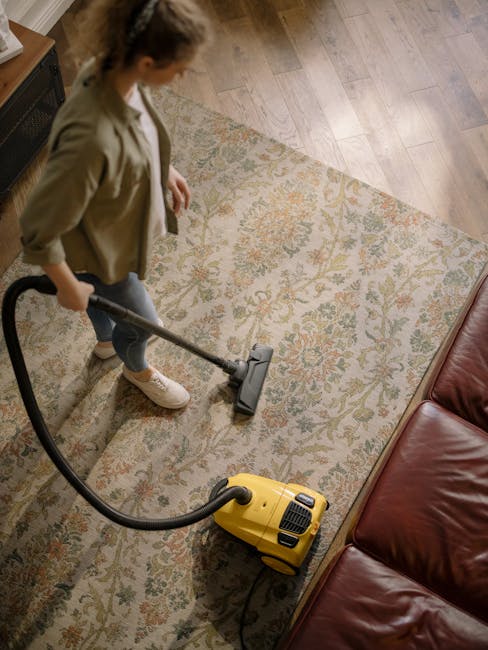
Vacuum slowly and thoroughly before doing anything wet. This is not glamorous, but it matters. Grit acts a bit like sandpaper underfoot. If you skip vacuuming, you may rub dirt deeper into the pile when you start cleaning.
2. Test a small hidden area first
Always test any stain remover or carpet solution on an inconspicuous patch. Wait for it to dry. Check for colour transfer, darkening, texture change, or residue. A minute here can save a lot of regret later.
3. Blot, do not scrub
For fresh spills, blot from the outside of the stain inward using a clean white cloth or plain paper towel. Scrubbing spreads the spill and can distort the fibres. You want pressure and absorption, not a workout.
4. Use the right amount of solution
More product is rarely better. Overapplying detergent can leave a sticky residue that attracts more dirt. Follow the instructions carefully, and if a product is highly scented or very foamy, that is not automatically a good sign.
5. Control moisture
Carpets should not be soaked unless the chosen method is designed for it and extraction is strong enough to remove the water. In practice, controlled moisture is one of the biggest differences between a neat result and a frustrating one.
6. Rinse where necessary
If a cleaning product needs rinsing, do it. Residue left behind can cause quick re-soiling. This is a common reason carpets look fine one day and dull again the next.
7. Speed up drying
Open windows if the weather allows, use ventilation, and keep people off the carpet until it is dry. In a SE19 home on a damp winter afternoon, drying can take longer than you expect, so patience helps.
8. Finish with a final vacuum
Once dry, vacuum again to lift the pile and remove any loosened particles. This is one of those boring steps that quietly improves the result. Funny how that works.
Expert tips for better results
The small details make the biggest difference. In our experience, these are the habits that separate decent results from genuinely good ones.
- Work from clean to dirty areas: Start with the least soiled section so you do not drag grime across the whole room.
- Use white cloths for stain work: They make transfer easier to see and reduce the risk of dye transfer from coloured fabrics.
- Keep a simple stain kit ready: Mild detergent, clean cloths, a soft brush, and plain water are often enough for first response.
- Lift solids before wet cleaning: Mud, food, and other debris should be removed gently before any liquid is used.
- Treat old stains with caution: Older marks can react unpredictably, especially if someone has already tried several products on them.
- Mind the pile direction: Brushing or vacuuming against the pile can make the carpet look uneven, even when it is clean.
One extra tip: if you are using a carpet cleaning machine at home, do a slower extraction pass than you think you need. People often focus on laying down solution, but the recovery pass is what really matters. If the machine leaves the carpet too wet, you may end up with a result that feels slightly soggy and not especially satisfying. Not ideal, obviously.
For households dealing with pet odours or repeat accidents, a specialised approach is usually better than repeatedly using standard detergent. A targeted service such as pet stain and odour removal can be more effective when smells have worked deep into the fibres or underlay.
Common mistakes to avoid
This is the heart of the topic, because most carpet damage starts with good intentions and poor timing.
Using too much water
Overwetting can push dirt into the backing, slow drying, and create musty smells. In more severe cases, it can affect the underlay. If the carpet feels squelchy or takes ages to dry, the method was too wet.
Scrubbing stains aggressively
Scrubbing can fray fibres, spread stains, and make the affected area look worn. Blotting is safer, and a soft brush is enough for most light surface work.
Applying random products in sequence
Mixing cleaners or using one product after another without rinsing can cause residue build-up or unpredictable reactions. It is messy, and sometimes worse than leaving the stain alone for a moment while you think properly.
Ignoring fibre type
Wool, wool blends, polypropylene, nylon, and other carpet types do not all behave the same. A product that works on a synthetic carpet may be too harsh for a natural fibre.
Skipping the test patch
This one sounds minor until it is not. A hidden test spot can reveal colour loss, staining, or texture change before the whole room is treated.
Using heat too early
Heat can set some stains, especially protein-based ones. Hot water is useful in the right method, but it should not be your first move for every spill.
Leaving residue behind
If you do not remove detergent properly, the carpet can attract dirt more quickly. That "clean" feeling can disappear fast. Very fast.
Rushing drying time
Walking on damp carpet too soon can flatten the pile and transfer dirt back into the fibres. If possible, let it dry fully before replacing furniture or rugs.
Ignoring the source of the stain
Some marks are surface spills. Others are coming from repeated pet accidents, leaking radiators, or underlay contamination. If the root cause stays in place, the stain may keep returning.
When you avoid these mistakes, you protect both the visible surface and the structure underneath. That is the part people miss most often.
Tools, resources and recommendations
You do not need a van full of equipment to care for carpets properly. A modest, sensible kit is usually enough for normal household maintenance.
| Tool / resource | What it helps with | Practical note |
|---|---|---|
| Vacuum cleaner with a good brush setting | Daily dust, grit, pet hair | Slow passes are usually more effective than quick ones |
| White microfibre cloths | Blotting spills and spot treatment | Useful because colour transfer is easier to spot |
| Carpet-safe spot cleaner | Fresh stains and small marks | Always test first on a hidden area |
| Soft brush | Gentle fibre lifting | Use lightly; do not scrub hard |
| Carpet cleaning machine | Deeper cleaning for larger areas | Check extraction strength and drying time |
| Fans or open windows | Drying | Especially helpful in cooler SE19 weather |
If you are comparing professional cleaning help, a transparent pricing and quotes page can help you understand what is included before you book. That matters more than many people think. A slightly higher quote can still be better value if it covers proper pre-treatment, extraction, and drying advice.
It is also wise to look at a company's insurance and safety information and their health and safety policy. Not because you need to turn into a compliance detective, but because responsible cleaning on-site should be handled with care, especially in homes with children, pets, or delicate surfaces.
Law, compliance, standards, or best practice
For most homeowners, carpet cleaning is guided more by good practice than by strict legal rules. That said, there are a few sensible expectations worth keeping in mind.
If you hire a cleaner, they should work safely, use products appropriately, and explain any risks around wet floors, ventilation, or access. In rented homes, landlords and tenants may have separate responsibilities around cleanliness and condition, especially at the end of a tenancy. Exact requirements can vary, so it is best to check the tenancy agreement rather than assume.
Good practice also includes being careful with chemicals, especially in homes where children crawl, pets lie on the carpet, or someone has sensitivities. Always follow product instructions. If a label says to ventilate the area, ventilate it. If a cleaning method is unsuitable for wool or certain fibres, believe that warning. Labels are not there for decoration.
If you want a sense of how a company handles customer concerns, policies such as a complaints procedure and clear terms and conditions can be reassuring. The same goes for practical communication: clear timings, expected drying periods, and honest limitations all point to better service.
There is also a sustainability angle. Using only what you need, avoiding wasteful repeat cleaning, and choosing methods that reduce excess water all support better long-term practice. If that matters to you, the recycling and sustainability page may be useful background.
Options, methods, or comparison table
Different cleaning approaches suit different carpets. Here is a simple comparison to help you think it through.
| Method | Best for | Pros | Watch-outs |
|---|---|---|---|
| Vacuuming and spot cleaning | Routine maintenance, fresh spills | Quick, affordable, low risk | Won't remove deep embedded soil |
| Low-moisture cleaning | Sensitive carpets, faster drying | Shorter drying time, less water | May be less effective on heavy grime |
| Hot water extraction | General deep cleaning, larger areas | Strong soil removal, thorough finish | Needs proper extraction and drying |
| DIY machine rental | Confident homeowners with time | Accessible for medium jobs | Easy to overwet or leave residue |
| Professional service | Stains, delicate fibres, larger homes | Experience, better equipment, safer handling | Costs more than basic DIY |
If your carpet is valuable, delicate, or heavily stained, a professional clean is usually the safer option. If the issue is light dirt in a busy family room, a careful DIY routine may be enough. The right answer depends on the carpet, not on pride. And sometimes pride is the most expensive cleaning product in the cupboard.
Case study or real-world example
A typical SE19 scenario goes like this: a household notices a muddy traffic path in the hallway after a wet week. Someone tries to clean it quickly with a strong spray, a stiff brush, and plenty of water. The spot looks better while damp, so the job is declared done. Two days later, it has dried into a lighter patch with a slightly rough feel, and the dirt seems to have reappeared at the edges.
What likely happened? The fibres were scrubbed, residue remained, and the carpet dried unevenly. The fix would have been much simpler: vacuum first, pre-treat lightly, blot instead of scrub, use controlled moisture, and extract thoroughly. If the carpet was wool or a blend, even more caution would have been sensible.
In another common example, pet odour in a living room gets masked with fragrance spray. That only covers the smell for a short while. The better approach is to identify whether the odour sits in the pile, underlay, or both. A targeted treatment that addresses the source is much more effective than perfume over the top. You can still smell the difference later on, especially in a warm room in the evening when the heating comes on.
These situations are not unusual. They are exactly why careful method matters more than dramatic products.
Practical checklist
Use this quick checklist before and during carpet cleaning:
- Identify the carpet fibre if possible.
- Vacuum thoroughly before adding moisture.
- Test products on a hidden area first.
- Blot spills rather than scrubbing them.
- Use only the amount of solution needed.
- Avoid mixing products unless the instructions clearly allow it.
- Extract moisture properly after deep cleaning.
- Ventilate the room to speed up drying.
- Wait until fully dry before moving furniture back.
- Vacuum again once the carpet is dry and settled.
If you tick most of those boxes, you are already ahead of many people who clean carpets in a rush and hope for the best. And honestly, hope is not a cleaning strategy.
Conclusion
A good carpet cleaning routine in SE19 does not need to be complicated. It needs to be careful, measured, and matched to the carpet in front of you. The biggest mistakes usually come from too much water, too much force, or too much confidence in whatever bottle is nearest. Avoid those habits and you will protect the look, feel, and lifespan of your carpets far more effectively.
Whether you are tackling a fresh spill, refreshing a hallway, or deciding whether a deeper clean is worth it, the key is simple: go gently, test first, and dry properly. That is the practical path. Not flashy, but it works.
If you want support with a tougher stain, a delicate carpet, or a room that needs a more thorough clean, take the time to compare options and choose a method that suits your home rather than rushing into the loudest promise on the label.
Get a free quote today and see how much you can save.
Clean carpets make a room feel calmer, brighter, and more lived-in in the best possible way. Small care now, less trouble later. That is usually the sweet spot.
Frequently Asked Questions
What is the biggest carpet cleaning mistake in SE19 homes?
Overwetting is probably the most common and most costly mistake. It can lead to long drying times, residue build-up, and in some cases a musty smell or visible marks after drying.
Should I vacuum before using any carpet cleaner?
Yes. Vacuuming first removes loose grit and dust, which helps the cleaner work properly and stops dirt from being pushed deeper into the pile.
Is steam cleaning safe for all carpets?
No, not automatically. Steam or hot water extraction can work very well, but fibre type matters. Wool and some delicate carpets need more care than tough synthetics.
Why does my carpet look dirty again after cleaning?
This often happens because detergent residue was left behind, the carpet was not extracted properly, or dirt from the underlay has wicked back up as it dried.
Can I use washing-up liquid on carpet stains?
Sometimes people do, but it is not ideal unless used very sparingly and rinsed well. Household liquids can leave residue and create extra foaming or staining issues.
How long should a carpet take to dry after cleaning?
Drying time varies with the method, the carpet type, room ventilation, and weather. A light clean may dry fairly quickly, while a deeper wet clean can take much longer.
What should I do immediately after spilling something on the carpet?
Blot the spill with a clean cloth, work from the outside in, and avoid rubbing. If safe, use a small amount of suitable cleaning solution after testing a hidden area.
Are rental carpet cleaning machines worth using?
They can be useful for some homes, but they need careful handling. The main risk is leaving too much moisture or residue behind if the machine is used too quickly.
When is it better to hire a professional?
If the carpet is delicate, heavily stained, odour-prone, or valuable, professional help is usually the safer choice. It is also sensible when you want a deeper clean without the trial-and-error.
How can I stop pet smells coming back after cleaning?
You need to treat the source, not just the surface. That often means deeper cleaning and odour-specific treatment, especially if the smell has reached the underlay.
Can cleaning damage old carpets?
Yes, if the wrong product, excess water, or harsh scrubbing is used. Older carpets can still be cleaned successfully, but they usually need a gentler approach.
Do I need to move furniture before carpet cleaning?
It helps a lot, especially for a deep clean. At the very least, remove small items and clear the area so the cleaner can reach the full surface and dry it evenly.